A running toilet is one of the most common plumbing problems American homeowners face. According to the Environmental Protection Agency (EPA), a toilet that runs continuously can waste more than 200 gallons of water daily. If your toilet keeps running and you hear water trickling into the bowl long after you flush, you need to act fast.
The good news is that learning how to fix a running toilet is easier than you think. Most issues can be solved in under an hour with basic tools and a few inexpensive parts. This guide will show you exactly how to fix a toilet that keeps running and how to stop a toilet from running for good.
What Causes a Running Toilet
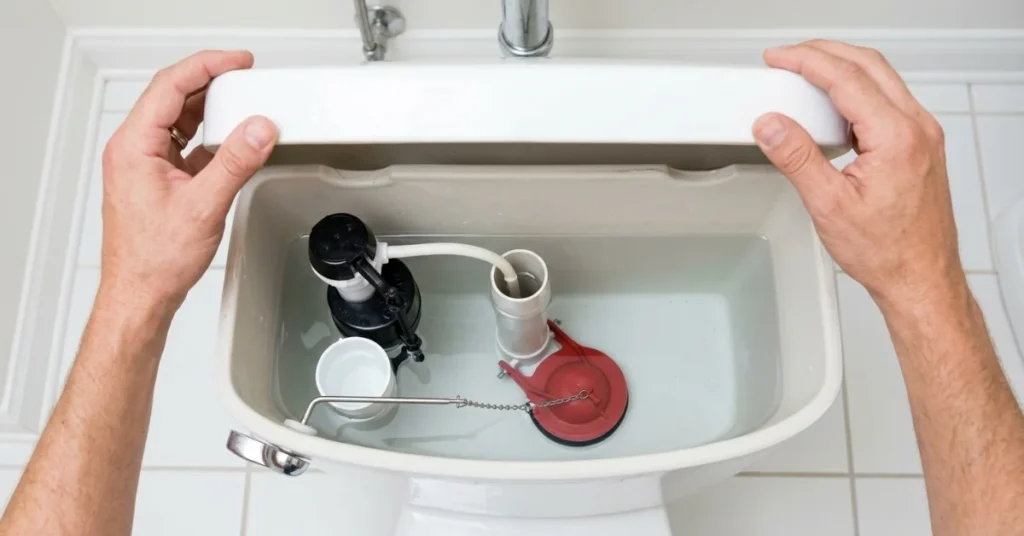
Understanding what causes a running toilet is the first step to solving the problem. Most running-toilet issues come down to worn or misadjusted parts inside the toilet tank. When one of these parts fails, water keeps flowing into the bowl or overflow tube instead of stopping after the flush.
Worn or Damaged Flapper
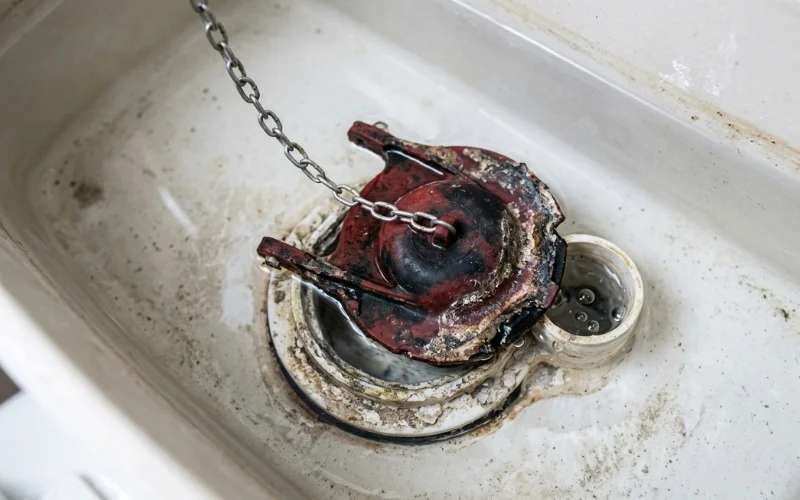
The flapper is a rubber seal at the bottom of the tank that lifts when you flush. Over time, the rubber deteriorates from constant water exposure and mineral buildup. When the flapper no longer seals tightly, water slowly leaks from the tank into the bowl.
This is the most common reason a toilet keeps running after flushing. If your toilet is constantly running or water keeps running into the bowl, a worn flapper is usually the culprit. Universal replacement flappers from Korky and Fluidmaster fit most American Standard, Kohler, and TOTO toilets.
Faulty Fill Valve
The fill valve controls the flow of water into the tank after a flush. If the fill valve is stuck open or damaged, water keeps running into the tank and overflows into the overflow tube. You will often hear a hissing sound when the fill valve toilet keeps running or won’t stop.
Hard water in states like Texas and Florida can cause mineral deposits that prevent the valve from closing properly. Fluidmaster 400A fill valves meet IAPMO and International Code Council (ICC) standards for residential plumbing. If you’re dealing with other bathroom plumbing issues, the fill valve may be part of a larger system problem.
Float Set Too High
The float is a ball or cup that rises with the water level in the tank. When the float reaches a certain height, it signals the fill valve to shut off. If the float is set too high, water continues to flow into the overflow tube even when the tank is full.
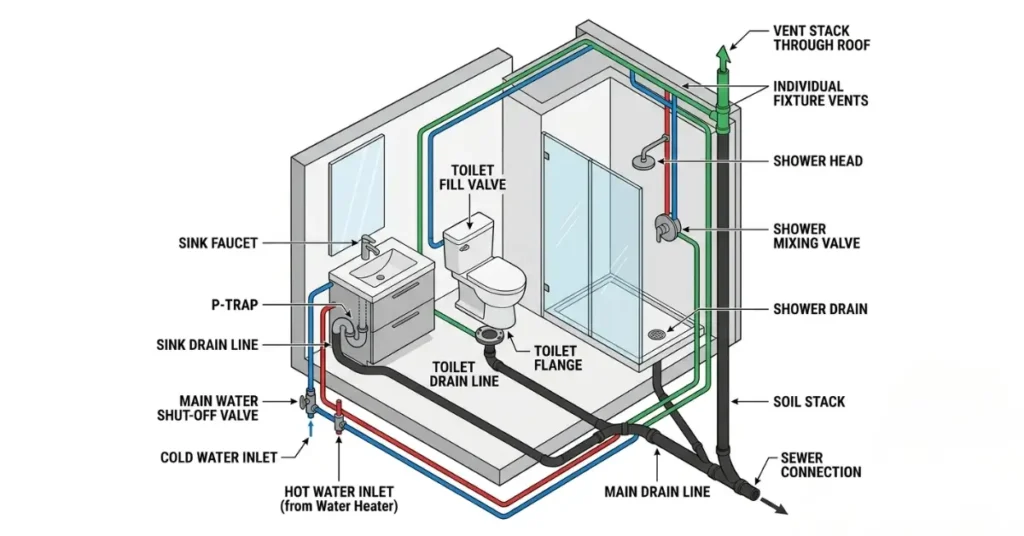
This causes the toilet to run when not in use or to run constantly even when no one flushes it. Adjusting the float height is one of the easiest ways to stop the toilet from running. Understanding your bathroom plumbing diagram can help you quickly locate the float mechanism.
Damaged Flush Valve Seat
The flush valve seat is the opening at the bottom of the tank where the flapper sits. If this surface is cracked or covered in mineral buildup, the flapper cannot seal properly. This problem is less common but can cause a toilet to continue to run or cause the toilet running water constantly into the bowl.
How to Diagnose the Problem Before You Fix It
Before you start replacing parts, take a few minutes to figure out what is actually wrong with your toilet running. The easiest way to diagnose a running toilet is with a simple dye test recommended by the American Water Works Association (AWWA). Add a few drops of food coloring into the tank and wait about 10 minutes without flushing.
If the color appears in the bowl, you have a leak from the tank. Listen carefully for sounds. If you hear a constant hissing or trickling, it usually means the fill valve is not shutting off or that the toilet running noise is coming from water flowing into the overflow tube.
If the toilet sounds like it’s running but you do not see water moving, the problem might be air in the supply lines. Check the water level inside the tank. If it is above the overflow tube, the float is set too high.
How to Fix a Running Toilet Step by Step
Now that you know what is wrong, here is exactly how to fix a running toilet. This section covers every common repair from start to finish. Most homeowners can complete these steps with just an adjustable wrench and a replacement part or two.
Step 1: Turn Off the Water Supply
Locate the water supply valve behind the toilet near the floor. Turn the valve clockwise until it stops to shut off the water flow. Flush the toilet once to drain most of the water from the tank.
This makes it easier to work inside the tank when you fix a toilet that keeps running. If you have a basement bathroom plumbing setup, you may need to check your main shutoff valve as well.
Step 2: Check and Replace the Flapper
Lift the tank lid and look at the flapper at the bottom of the tank. Press down on it with your finger. If the toilet won’t stop running when you press the flapper down, it means the flapper is not sealing properly.
Unhook the old flapper from the pegs on the overflow tube and disconnect the chain. Take the old flapper to a hardware store to match the size. Most universal flappers from Korky or Fluidmaster fit standard toilets made by Kohler, American Standard, TOTO, and Mansfield.
Install the new flapper by hooking it onto the pegs and attaching the chain. Leave a little slack in the chain so the flapper can close completely. If your toilet still running after replacing the flapper, the problem is likely the fill valve or flush valve seat.
Step 3: Adjust or Replace the Fill Valve
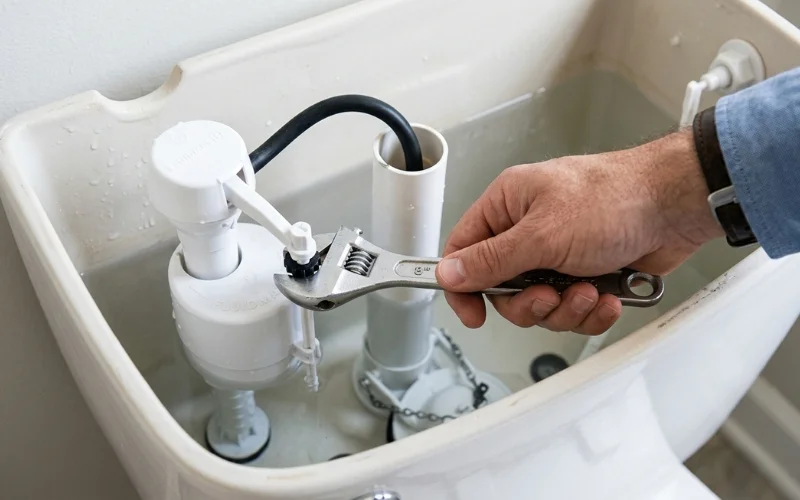
If the fill-valve toilet keeps running or won’t stop, you may need to adjust or replace it. Most modern fill valves have an adjustment screw or clip on the side. Turn the screw counterclockwise to lower the water level.
The water should stop about one inch below the top of the overflow tube. If adjusting does not help, replace the fill valve entirely. Unscrew the locknut under the tank and lift out the old valve.
Install a new Fluidmaster 400A by following the package instructions. These valves meet International Plumbing Code (IPC) standards. Replacing the fill valve is one of the most effective ways to stop a toilet from running permanently.
Step 4: Adjust the Float
The float controls when the fill valve shuts off. If you have a ball float, bend the metal arm downward slightly to lower the water level. If you have a cup float that slides up and down the fill valve, pinch the adjustment clip and slide the float down.
Learning how to adjust the toilet float to stop running is one of the simplest repairs. After adjusting, turn the water back on and watch the tank fill. The water should stop just below the overflow tube.
Step 5: Turn Water Back On and Test
Turn the water supply valve back on and let the tank fill completely. Watch and listen carefully. The water should stop filling once it reaches the correct level below the overflow tube.
Flush the toilet and make sure it stops running after the tank refills. If everything works correctly, you have successfully learned how to fix a running toilet. If the problem persists or the toilet randomly runs throughout the day, you may have ghost flushing.
How to Stop a Running Toilet in Seconds (Temporary Fix)
Sometimes you need to know how to stop a running toilet in seconds. Here are three quick fixes that will temporarily stop the running. First, lift the tank lid and press down on the flapper with your hand.
Second, lift the float manually to signal the fill valve to stop filling. Third, turn off the water supply valve behind the toilet. These are not permanent solutions, but they work when you need immediate relief from a toilet that won’t stop running after flushing.
How do you stop a toilet from running for good? You need to go through the full diagnostic and repair steps. Ignoring the problem will waste water and increase your utility bill.
Why Your Toilet Keeps Running After You Already Fixed It
You replaced the flapper and adjusted the fill valve, but the toilet is still running. This is frustrating but more common than you think. Here are the most likely reasons why your toilet keeps running even after you fixed it.
Toilet Still Running After Replacing Flapper
If your toilet still running after replacing the flapper, check three things carefully. First, make sure you bought the right size flapper for your toilet model. Universal flappers fit most toilets, but some brands, like Mansfield and Glacier Bay, require specific sizes.
Second, check the chain length. If the chain is too short, it slightly holds the flapper open. Third, inspect the flush valve seat again.
Even if you changed the flapper, the toilet still runs. A damaged valve seat will prevent any flapper from sealing. For complex bathroom sink plumbing and toilet issues, sometimes multiple components need attention.
Toilet Runs Intermittently or Every Few Minutes
If your toilet runs intermittently or the toilet runs intermittently throughout the day, you are experiencing ghost flushing. This happens when water slowly leaks from the tank into the bowl. You might notice the toilet randomly runs for a few seconds or the toilet runs every few minutes without anyone touching it.
You may also see the toilet runs periodically, or the toilet is running off and on throughout the day. The most common cause is a flapper that is not sealing completely. The toilet runs off and on pattern indicates a slow leak.
Replacing the flapper with a high-quality Korky or Fluidmaster model almost always solves this problem. Make sure the flapper is the correct size and the chain has proper slack.
Dual Flush Toilet Keeps Running
If your dual flush toilet is running or you need to know how to fix a running toilet with a button flush, the problem is usually with the flush valve cartridge. Glacier Bay and Kohler make popular dual flush models sold at Home Depot and Lowe’s. Most dual flush systems use a replaceable cartridge that twists out easily.
Check the manufacturer’s website for the model number and order the correct replacement. Installing the new cartridge usually solves the running problem immediately.
How Much Water Does a Running Toilet Waste (And What It Costs You)
A running toilet wastes an enormous amount of water and can significantly increase your monthly water bill. According to the EPA, a toilet that runs continuously can waste more than 200 gallons of water per day. Over the course of a month, that is over 6,000 gallons of wasted water.
The WaterSense program estimates that fixing household leaks like running toilets can save homeowners about 10 percent on their annual water bills. How much water can a running toilet use? It depends on the severity of the leak.
A slow leak might waste 30 gallons a day, while a toilet that is constantly running can waste 200 or more. How much water will a running toilet use over a year? A single running toilet can waste over 70,000 gallons annually.
In states like California and Arizona, where water costs are higher, the financial impact is dramatic. The American Water Works Association (AWWA) reports that the average American household uses about 300 gallons of water per day. A running toilet can add 20 to 60 percent to that total.
Can a running toilet increase the water bill? Absolutely. Homeowners report monthly increases ranging from $50 to $150 depending on local rates. Does a running toilet increase the water bill in your area? In most cases, the answer is yes.
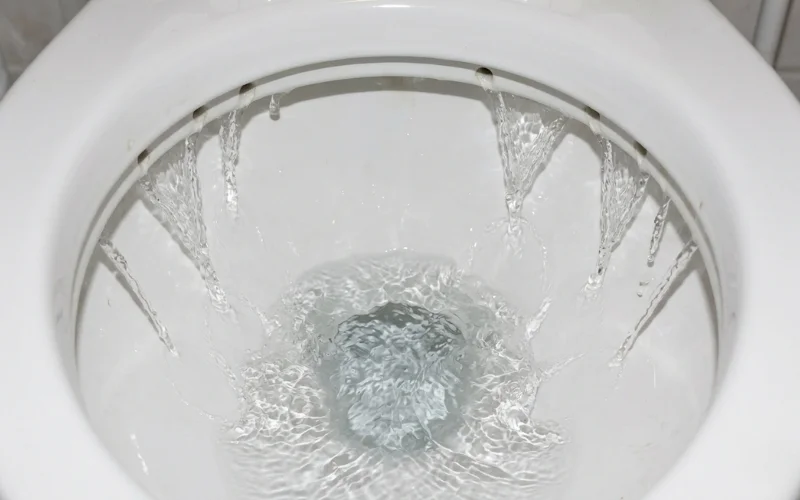
Data from HomeAdvisor and Angi shows that fixing a running toilet yourself costs under $20 for parts. Is it bad if my toilet keeps running? Yes. It wastes thousands of gallons, costs you money daily, and can damage your bathroom floor.
When to Call a Plumber for a Running Toilet
Most running toilet repairs are simple enough for homeowners to handle. But there are times when you should call a plumber for running toilet issues instead of DIY. If you replaced the flapper, adjusted the fill valve and float, and the toilet is always running no matter what, there may be a serious problem.
Cracks in the tank, broken flush valve assemblies, or internal leaks require professional tools and licensing. According to HomeAdvisor, the average cost for a plumber to repair a running toilet ranges from $150 to $300. The U.S. Bureau of Labor Statistics reports that licensed plumbers earn between $25 and $50 per hour in most states.
If you are not comfortable working inside the tank or the problem keeps coming back, call a professional. Data from Angi shows most repairs take under an hour. For urgent situations, consult our emergency plumbing guide to find help fast.
Frequently Asked Questions
How long should a toilet run after flushing?
A toilet should run for about 10 to 15 seconds after flushing while the tank refills. If your toilet runs longer than 30 seconds, there is likely a problem with the fill valve, flapper, or float. According to the International Plumbing Code (IPC), toilets must refill efficiently without wasting water.
Is it bad if my toilet keeps running?
Yes. A running toilet wastes hundreds of gallons of water every day and can increase your monthly water bill by $50 or more. According to the EPA, household leaks account for nearly 1 trillion gallons of wasted water annually in the United States. Fixing a running toilet is one of the easiest ways to conserve water.
Why does my toilet run every few minutes?
If your toilet runs every few minutes, you are experiencing ghost flushing caused by a slow leak from the tank into the bowl. When the water level drops, the fill valve turns on to refill the tank. The most common cause is a worn flapper that does not seal properly.
Can a running toilet increase my water bill?
Yes. A running toilet can waste between 30 and 200 gallons per day, depending on the severity of the leak. According to WaterSense, fixing leaks can save about 10 percent on annual water bills. In areas with high water costs, such as California and Arizona, a single running toilet can add $100 or more per month.
My toilet still runs after I replaced the flapper — why?
Check the chain length first. The chain should have about half an inch of slack when the flapper is closed. Inspect the flush valve seat for damage, cracks, or mineral buildup. Make sure you installed the correct size flapper for your toilet model.
What does it mean when my toilet sounds like it is running but no water moves?
The problem is usually a faulty fill valve or air trapped in the water supply line. Turn off the water supply, drain the tank, and turn the water back on slowly. If the sound continues, replace the fill valve with a new Fluidmaster model.
Why does my toilet run for a few seconds then stop?
A toilet that runs for a few seconds and then stops is refilling after a small leak. This is ghost flushing caused by a slow leak from the tank into the bowl. Replace the flapper and make sure the flush valve seat is clean and smooth.
Conclusion
Learning how to fix a running toilet is one of the simplest DIY plumbing repairs you can do. Most problems come down to a worn flapper, a misadjusted float, or a faulty fill valve. By understanding how to stop a toilet from running and what causes the problem, you can save hundreds of gallons of water and keep your water bill under control.
If you run into a problem you cannot solve, check our complete guide to bathroom plumbing for more help.