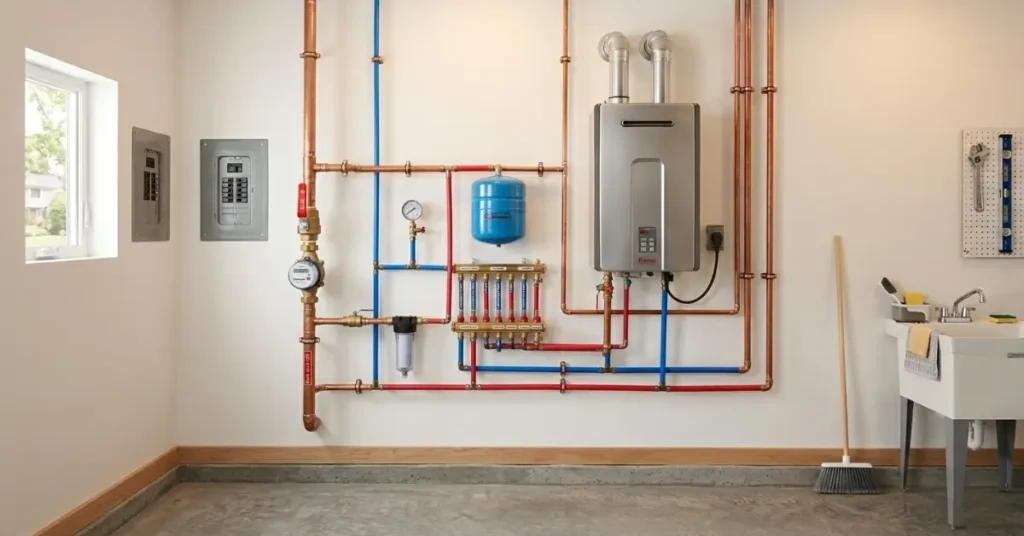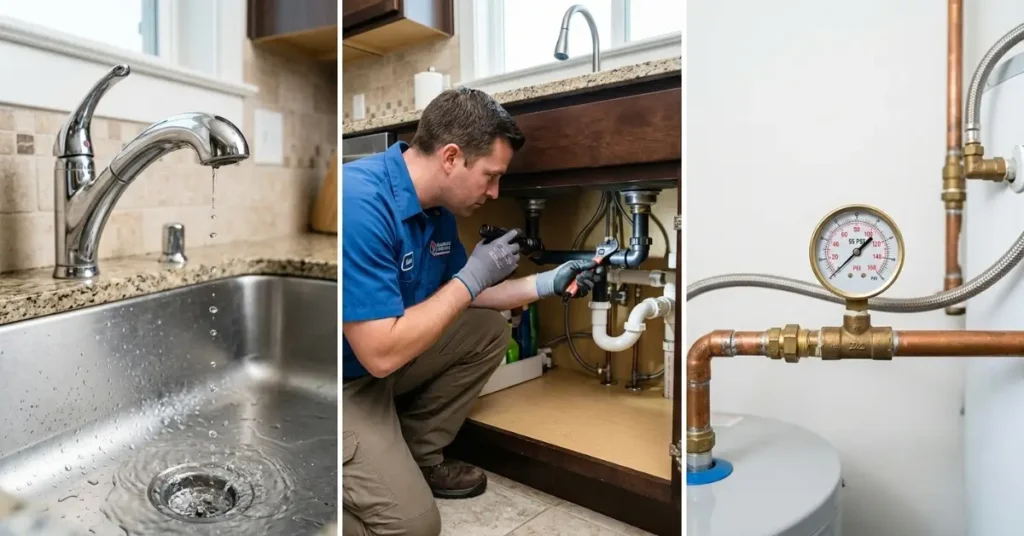
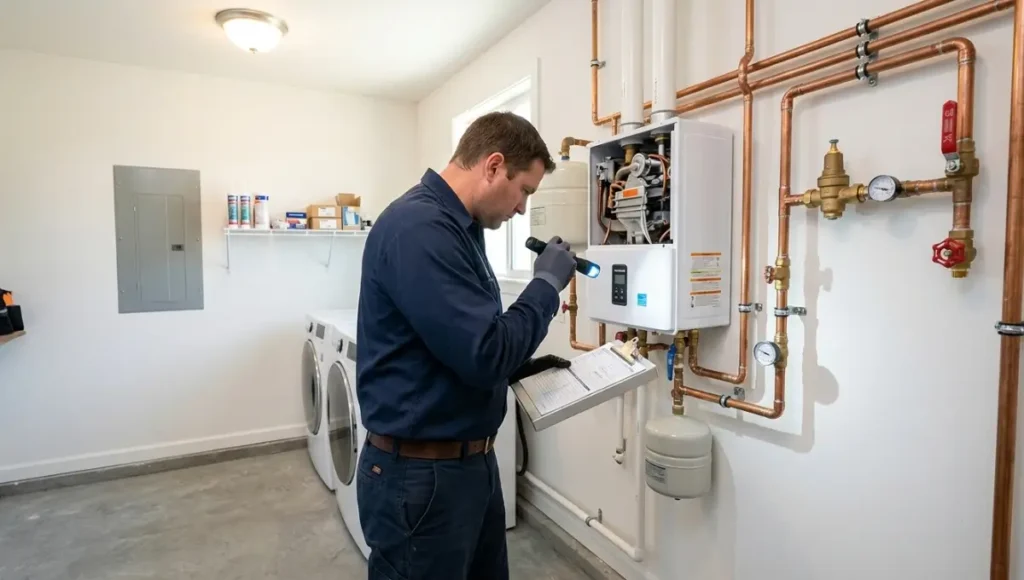
Plumbing is one of those things most Americans take completely for granted until the moment something goes wrong. Turn on a faucet and clean water flows. Flush a toilet and waste disappears. Run the dishwasher and hot water arrives on demand. None of this happens by accident. Behind every wall, beneath every floor, and under every yard in America runs a carefully engineered system of pipes, fixtures, valves, and connections that makes modern daily life possible.
Understanding the plumbing basics of how your home works gives you a real advantage as a homeowner. It helps you spot problems early, communicate clearly with licensed plumbers, make smarter decisions about repairs and upgrades, and avoid the kind of costly emergency repairs that catch unprepared homeowners completely off guard.
This guide covers the plumbing fundamentals every American homeowner should know — what plumbing is, what a plumber does, the different types of plumbing systems, the key components inside every home plumbing system, and how plumbing standards and codes protect your family every single day.
What is Plumbing?
Plumbing is the system of pipes, fixtures, valves, and fittings installed inside a building to deliver clean potable water to every point of use and remove wastewater safely through a connected drain and sewer line network. It is one of the most essential building systems in any American home, apartment, or commercial property and directly affects the health, safety, and daily comfort of every person who lives or works inside the building.
The word plumbing comes from the Latin word plumbum meaning lead. For centuries lead pipes were the standard material used to carry water in homes across Europe and early America. The plumbing definition has expanded significantly since then. Today the term covers everything from the water meter at the property line and the main shut off valve inside the foundation wall to every pipe fitting, drain connection, and fixture inside the home.
A complete plumbing system overview shows two separate sides working together. The water supply system brings pressurized clean water into the home from a municipal water main or private well. The drain waste vent system carries used water and sewage out of the home through gravity fed drain pipes. Both systems are governed by standards set by the International Plumbing Code and the American Society of Plumbing Engineers to protect public health across the United States. For a deeper understanding of how both systems work together read our complete plumbing systems guide.
History of Plumbing
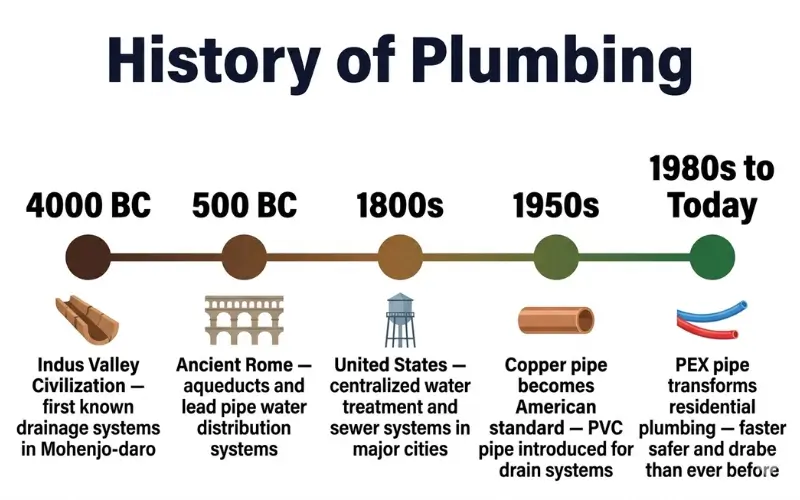
Understanding the history of plumbing puts the modern plumbing system inside your home into a much broader perspective. What seems ordinary today, clean water on demand and waste removal at the push of a button, represents thousands of years of engineering progress and public health improvement that fundamentally changed how human civilization developed and expanded.
Ancient Plumbing Systems
The earliest known plumbing systems date back more than 4,000 years to the Indus Valley Civilization in what is now Pakistan and northwestern India. Archaeological evidence shows that cities like Mohenjo-daro had sophisticated drainage systems, covered sewers, and individual home connections to centralized waste removal infrastructure that would not appear again in the Western world for thousands of years.
Ancient Rome developed the most advanced plumbing system of the ancient world. Roman engineers built an extensive network of aqueducts that carried fresh water from mountain sources into cities across the empire. Lead pipes distributed that water to public baths, fountains, and wealthy private homes throughout Rome and its territories. The Latin word plumbum meaning lead is the direct origin of the English word plumbing and the chemical symbol Pb for lead on the periodic table.
Modern Plumbing in America
Modern plumbing in the United States developed rapidly during the 19th and early 20th centuries as American cities grew and public health officials recognized the direct connection between contaminated water supplies and deadly disease outbreaks. Cities like Chicago, New York, and Boston built centralized water treatment and sewer systems during this period that dramatically reduced death rates from cholera, typhoid, and other waterborne diseases.
Lead pipes remained common in American homes well into the 20th century until research confirmed the serious health risks of lead contamination in drinking water. The EPA’s Lead and Copper Rule established in 1991 set strict limits on lead levels in public water systems. Galvanized steel replaced lead pipes for decades before copper pipe became the American standard in the mid 20th century. PVC pipe arrived in the 1950s and PEX pipe transformed residential plumbing installation beginning in the 1980s making modern plumbing faster, safer, and more durable than at any previous point in history.
What is a Plumber?
A plumber is a licensed tradesperson trained to install, repair, and maintain the pipes, fixtures, valves, and drainage systems that make up a complete plumbing system in residential, commercial, and industrial buildings. Plumbing is one of the most essential skilled trades in the United States and one of the most consistently in demand regardless of economic conditions.
Becoming a licensed plumber in America follows a structured path through three recognized skill levels. An apprentice plumber works under the direct supervision of a licensed journeyman or master plumber, learning the plumbing trade through a combination of on the job training and classroom instruction over a period of four to five years. A journeyman plumber has completed the apprenticeship requirements and passed a licensing examination administered by the state or local licensing board in their jurisdiction. A master plumber holds the highest level of plumbing license, has passed advanced examinations, and is legally authorized to pull permits, run a plumbing contracting business, and supervise other plumbers on job sites.
Plumbing license requirements vary significantly across the United States. In states like Texas, California, and Florida a plumber must hold a valid state issued license before performing any plumbing work on a residential or commercial property. The Bureau of Labor Statistics reports that licensed plumbers earn a median annual wage of over 60,000 dollars in the United States, with master plumbers and plumbing contractors in high demand markets like New York, Seattle, and Chicago earning significantly more.
What Does a Plumber Do?
A licensed plumber handles every aspect of water delivery and waste removal inside a building from the initial rough in plumbing during new construction all the way through decades of ongoing repairs and maintenance. The scope of plumbing work covers far more than most homeowners realize until they actually need a plumber for the first time.
During new construction a plumber reads and follows approved plumbing blueprints to install all supply pipes, drain pipes, vent stacks, and fixture rough ins before the walls are closed. This rough in plumbing phase must pass a mandatory inspection from the local building department before construction can continue. In cities like Austin, Phoenix, and Raleigh where new residential construction is booming, experienced plumbers spend the majority of their working hours on new construction rough in and fixture installation projects.
On the repair and maintenance side a licensed plumber diagnoses and fixes leaky faucets, clears drain blockages, repairs or replaces water heaters, fixes running toilets, repairs burst pipes, and addresses low water pressure issues throughout the home. Emergency plumber calls for situations like burst pipes, sewer backups, and gas water heater failures happen at all hours and require immediate professional response to prevent serious property damage.
Plumbers also perform professional plumbing inspections for homeowners buying older properties, install water softeners and filtration systems, upgrade aging pipe systems, and handle drain cleaning using professional equipment like hydro jetting machines and motorized drain augers. For a complete breakdown of everything a plumber repairs read our dedicated plumbing repairs guide.
For a complete breakdown of everything a plumber fixes read our dedicated guide on most common plumbing problems.
What is a Plumbing System?
A plumbing system is the complete network of pipes, fixtures, valves, drains, and vents installed inside a building to manage the flow of water in and waste out. Every American home contains at least two separate plumbing systems working together simultaneously, and understanding how each one functions is the foundation of any useful home plumbing knowledge.
Water Supply System
The water supply system is responsible for bringing clean pressurized potable water into the home from either a municipal water main or a private well. Water enters the home through the water meter at the property line, passes through the main shut off valve just inside the foundation wall, and flows through the pressure regulating valve which reduces incoming pressure to the safe residential range of 40 to 80 PSI recommended by the American Water Works Association (AWWA). From there cold water travels directly to every fixture while a separate branch feeds the water heater which distributes hot water through dedicated red supply lines throughout the home. See our labeled house plumbing system diagram to visualize exactly how the supply and drain systems connect inside your home.
Drain Waste Vent System
The drain waste vent system handles everything on the outgoing side. Every sink, toilet, shower, and appliance in the home connects to a drain pipe that slopes at one quarter inch per foot toward the main drain stack as required by the International Plumbing Code. A P trap beneath every fixture holds standing water that blocks sewer gases from entering the living space. Vent pipes rise vertically through the walls and exit through the roof allowing fresh air into the drainage system to keep water flowing freely. The main sewer line carries all wastewater underground away from the property to the municipal sewer system or private septic tank. For a complete breakdown of both systems read our full plumbing systems guide. For a complete breakdown of both systems read our complete plumbing systems guide.
Types of Plumbing
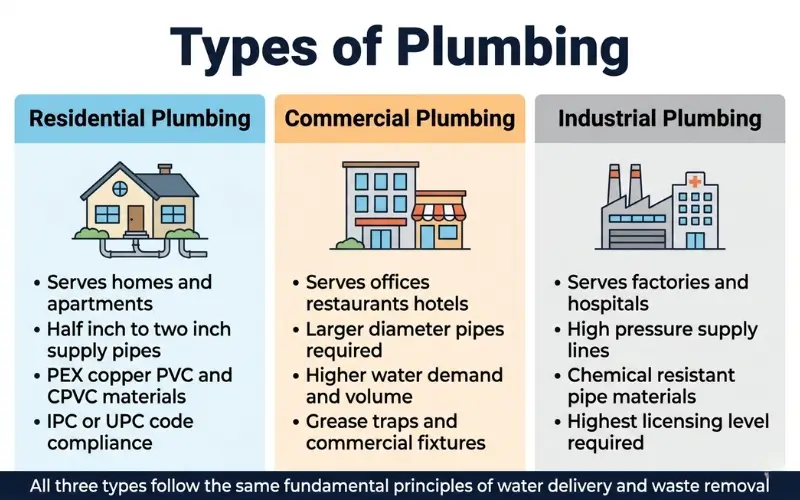
Understanding the different types of plumbing helps homeowners, contractors, and property managers make better decisions about installation, repairs, and maintenance. While all plumbing systems share the same fundamental principles of water delivery and waste removal, the scale, materials, and code requirements differ significantly depending on the type of building being served.
Residential Plumbing
Residential plumbing covers all plumbing systems installed inside single family homes, townhouses, condominiums, and small apartment buildings across the United States. It is the most common type of plumbing and the one most American homeowners interact with daily. Residential plumbing systems use smaller diameter pipes than commercial systems, typically ranging from half inch to two inch supply lines and one and a half inch to four inch drain pipes. The most common pipe materials in American residential plumbing today are copper, PEX, PVC, and CPVC. Residential systems must comply with either the International Plumbing Code or the Uniform Plumbing Code depending on the state and local jurisdiction.
Commercial Plumbing
Commercial plumbing serves office buildings, restaurants, retail stores, hotels, and other non residential properties. Commercial systems handle significantly higher water demand and wastewater volume than residential systems, requiring larger diameter pipes, heavier duty fixtures, and more complex venting arrangements. A commercial restaurant kitchen in cities like New York, Chicago, or Los Angeles requires grease traps, commercial grade dishwasher connections, and specialized drain systems that go far beyond what any residential plumbing installation requires.
Industrial Plumbing
Industrial plumbing is the most complex and specialized category, covering manufacturing facilities, processing plants, hospitals, and large institutional buildings. Industrial systems often involve high pressure supply lines, specialized chemical resistant pipe materials, and complex process piping that has nothing to do with potable water delivery or standard waste removal. Industrial plumbing work requires the highest level of licensing and the most specialized technical training of any category in the plumbing trade.
What is a Plumbing Fixture?
A plumbing fixture is any device permanently connected to the plumbing system that receives water, uses it for a specific purpose, and discharges the used water into the drain system. Fixtures are the visible endpoints of the entire plumbing system — the parts of your home plumbing that you actually see and use every single day.
The most common plumbing fixtures found in American homes include toilets, bathroom sinks, kitchen sinks, showers, bathtubs, laundry tubs, and dishwashers. Each fixture connects to the plumbing system through two separate connections. On the supply side a hot and cold water supply line connects to the fixture through individual shut off valves that allow the water to be cut to that specific fixture without shutting off the entire house. On the drain side the fixture connects to the drain system through a P trap and drain pipe that carries used water into the main drain line.
The American Society of Mechanical Engineers (ASME) sets the performance and quality standards for plumbing fixtures sold in the United States. Fixture brands like Kohler, American Standard, Moen, and Delta manufacture products that must meet these standards before being sold in the American market. Choosing high quality fixtures from reputable manufacturers extends the life of your plumbing connections and reduces the frequency of repairs throughout the home.
What is a Plumbing Stack?
A plumbing stack is the main vertical pipe that runs through the full height of a home collecting drain water from every fixture on every floor and carrying it downward to the main sewer line connection beneath the foundation. It is the backbone of the entire drainage system and every drain pipe in the home connects to it either directly or through a branch line.
Most American homes have one main plumbing stack running through the center of the building from the basement or crawl space up through the roof. In larger homes across cities like Houston, Chicago, and Atlanta with multiple bathrooms on different floors there may be two or more stacks serving different sections of the home. The diameter of a residential plumbing stack is typically three to four inches to handle the combined drainage flow from all connected fixtures simultaneously without backing up.
The plumbing stack serves a dual purpose. The lower section below the highest connected fixture acts as the drain stack carrying wastewater downward. The upper section above the highest fixture connection acts as the vent stack carrying sewer gases upward and releasing them safely above the roofline. The International Association of Plumbing and Mechanical Officials (IAPMO) sets the standards for stack sizing and installation that every residential plumbing system in the United States must follow. Older homes built before 1960 in cities like Detroit, Philadelphia, and Cincinnati commonly have original cast iron stacks that may be approaching the end of their service life and warrant professional inspection.
What is a Trap in Plumbing?
A trap in plumbing is a curved section of pipe installed directly beneath every drain fixture that holds a small amount of standing water at all times. That standing water creates a physical seal between the living space and the sewer gas environment inside the drain pipes. Without a properly functioning trap every drain in your home would allow hydrogen sulfide, methane, and other dangerous sewer gases to rise freely into your kitchen, bathrooms, and living areas.
The P trap is the most common type of drain trap found in American homes. It gets its name from its shape, which resembles the letter P when viewed from the side. Every sink, shower, bathtub, and floor drain in a residential plumbing system requires its own individual P trap under the International Plumbing Code. The P trap must maintain its water seal at all times to function correctly. A drain that has not been used for an extended period can allow the water seal to evaporate, which is why unused guest bathrooms sometimes develop a sewer smell that disappears after running the water for a few seconds to refill the trap.
The S trap was the older alternative to the P trap used in American homes built before modern plumbing codes were standardized. S traps are no longer permitted under current plumbing codes because they tend to self siphon, pulling the water seal out of the trap and allowing sewer gas to enter the home. If your older home still has S traps beneath any fixtures a licensed plumber should replace them with code compliant P traps as soon as possible.
Plumbing Codes and Standards
Plumbing codes are the legally enforceable rules that govern how every plumbing system in the United States must be designed, installed, and maintained. They exist to protect public health, prevent water contamination, and ensure that every plumbing installation is safe for the people who use it.
The two primary model codes used across America are the International Plumbing Code published by the International Code Council and the Uniform Plumbing Code published by the International Association of Plumbing and Mechanical Officials. Most American states adopt one of these two codes as the basis for their own state plumbing regulations with local amendments added on top.
Any plumbing work that requires a permit must be inspected by a licensed building department inspector before walls are closed or the system is put into service. Hiring a licensed plumber ensures that all work meets current code requirements and passes inspection the first time. Unpermitted plumbing work can void homeowner insurance, create problems during property sales, and result in costly removal and reinstallation if discovered later.
Frequently Asked Questions About Plumbing
What are three types of plumbing?
The three main types of plumbing are residential plumbing, commercial plumbing, and industrial plumbing. Residential plumbing serves homes and small apartment buildings. Commercial plumbing serves offices, restaurants, hotels, and retail properties. Industrial plumbing serves manufacturing facilities, hospitals, and large institutional buildings. Each type follows different code requirements and uses different pipe sizes and materials based on the scale and demand of the building it serves.
Which type of plumbing is best for a home?
For American residential homes PEX pipe is currently considered the best overall choice for water supply lines due to its flexibility, freeze resistance, lower installation cost, and long service life. Copper remains an excellent choice for homeowners who prefer a traditional material with a proven track record of 50 to 70 years of reliable service. PVC is the standard and best choice for all drain and vent applications in residential construction across the United States.
What is the most common plumbing in homes?
PEX pipe is now the most common plumbing material used in new American home construction for water supply lines. Older existing homes across the country still have copper supply lines and cast iron or ABS drain pipes depending on when they were built. PVC drain pipe is the most common drain material in homes built after 1980 across the United States.
What type of plumbing is no longer used?
Several plumbing materials are no longer permitted under current codes in the United States. Lead pipes are completely banned due to serious drinking water contamination risks. Galvanized steel pipes are no longer installed in new construction because they corrode internally over time restricting flow and contaminating water. Polybutylene pipe installed between 1978 and 1995 is no longer used after widespread failures led to class action settlements across the country.
What is the new type of plumbing called?
The newest widely adopted plumbing material in American residential construction is PEX, which stands for cross linked polyethylene. PEX pipe has largely replaced copper for water supply line installation in new homes because it is faster to install, less expensive, highly flexible, and more resistant to freezing than rigid pipe materials. Uponor, Viega, and SharkBite are among the leading manufacturers of PEX pipe and fittings sold across the United States today.
What is a plumbing system?
A plumbing system is the complete network of pipes, fixtures, valves, and drains installed inside a building to deliver clean water in and remove wastewater out. Every American home contains two separate systems working together — the water supply system that brings pressurized potable water to every fixture, and the drain waste vent system that carries used water and sewage safely out of the building through gravity fed drain pipes connected to the municipal sewer or private septic system.
What does a plumber do?
A licensed plumber installs, repairs, and maintains all the pipes, fixtures, valves, and drainage systems inside residential and commercial buildings. Plumbing work includes rough in installation during new construction, fixture installation, leak repairs, drain cleaning, water heater installation and replacement, pipe replacement, and emergency response to burst pipes and sewer backups. A master plumber can also pull permits, run a plumbing contracting business, and supervise other plumbers on job sites across the United States.
Final Thoughts
Plumbing is far more than pipes and water. It is the foundation of safe, comfortable, and functional living in every American home. Understanding what plumbing is, how it works, what a licensed plumber does, and why codes and standards exist gives you the knowledge to make smarter decisions every time a plumbing situation arises.
Whether you are dealing with a dripping faucet, planning a bathroom renovation, or simply trying to understand what runs behind your walls, this knowledge puts you in control. At Clever Pro Plumbing, we believe every homeowner deserves to understand the system they depend on every single day.